Textile education · Bedding
Silk Sheet Weight Explained: What 19 and 22 Momme Mean
Momme is a useful starting point for comparing silk sheets: it describes the fabric’s weight, not a complete measure of comfort or quality. Understanding the difference between 19 and 22 momme—and looking beyond the number—can help you choose sheets that suit your preferences, mattress and care routine.
A number woven into the fabric
Silk has a way of making small differences feel tangible. A sheet can look nearly weightless as it falls across a bed, yet feel substantial when gathered in the hand. One figure often used to describe that distinction is momme, a traditional unit for measuring the weight of silk fabric.
For shoppers comparing silk sheets, 19 and 22 momme are common figures to encounter. The higher figure generally indicates more silk by a given area of fabric. That can contribute to a denser, more substantial hand, but it does not tell the whole story. Fiber quality, weave, finishing, construction and care all influence how a sheet feels and performs over time.
The distinction is best understood as one useful clue among several—not a simple ranking in which the highest number is automatically best. A thoughtful choice begins with what the measurement means, then considers how it connects to the sheet’s intended use.
What does momme measure?
Momme, often written as mm, is a measure of silk fabric weight. In practical terms, it allows shoppers to compare how much silk is used in a specified area of material. A higher momme figure generally means a heavier fabric, though the exact character of the finished textile also depends on how its fibers are woven and finished.
It is not the same as thread count. Thread count is commonly used to describe the number of threads in a given area of some fabrics, especially cotton, while momme is a weight measure used for silk. Nor is momme a direct measurement of softness, silk grade, or durability. Two fabrics with the same momme can still feel different if their fiber, weave or finishing differs.
That distinction matters because a label can make one specification seem more decisive than it is. Momme offers a helpful basis for comparison, but a reliable assessment combines it with the fabric’s stated composition, construction details and care guidance.
19 versus 22 momme silk sheets
The difference between 19 and 22 momme is a difference in fabric weight. A 22 momme sheet uses more silk by area than a 19 momme sheet, all else being equal. That may give it a fuller or more substantial feel, while 19 momme can feel lighter and more fluid. These are useful tendencies, not guarantees: weave and finishing can change the hand of the fabric.
For instance, a 19 momme flat sheet may appeal to someone who values a lighter layer, an easy drape or the feel of silk without as much fabric weight. A 22 momme sheet may suit someone who prefers a more substantial surface or wants a heavier-feeling silk option. Neither preference is inherently better. Room temperature, bedding layers and personal comfort all influence what feels right.
It is also worth separating weight from strength. A heavier silk fabric may contain more material per area, but momme alone cannot promise how long a sheet will last. Fiber characteristics, weaving, seam quality, laundering and everyday handling all play a part. A well-made sheet cared for according to its label may serve better than a heavier one that is poorly constructed or washed harshly.
At a glance
- 19 momme: comparatively lighter silk fabric; may suit shoppers who prefer a more fluid, lightweight feel.
- 22 momme: comparatively heavier silk fabric; may feel more substantial in the hand.
- Both: require attention to fiber composition, weave, fit, construction and care instructions.
Weight is not the same as weave
Silk fiber becomes fabric through a process of arranging and interlacing threads. The weave affects the surface, sheen, drape and movement of the finished textile. That means two sheets with the same momme can have noticeably different characters.
Charmeuse, for example, is a weave associated with a smooth face and a soft, flowing drape. A charmeuse sheet may feel sleek and fluid, but its exact feel still depends on the silk and how the textile is made. A heavier fabric does not necessarily have a more lustrous surface, and a light fabric is not automatically delicate in every practical sense.
When a listing identifies both a weight and a weave, read them as separate pieces of information. The momme tells you about weight; the weave helps describe the fabric’s surface and behavior. Construction details such as edging and stitching add further clues about how the sheet is finished.
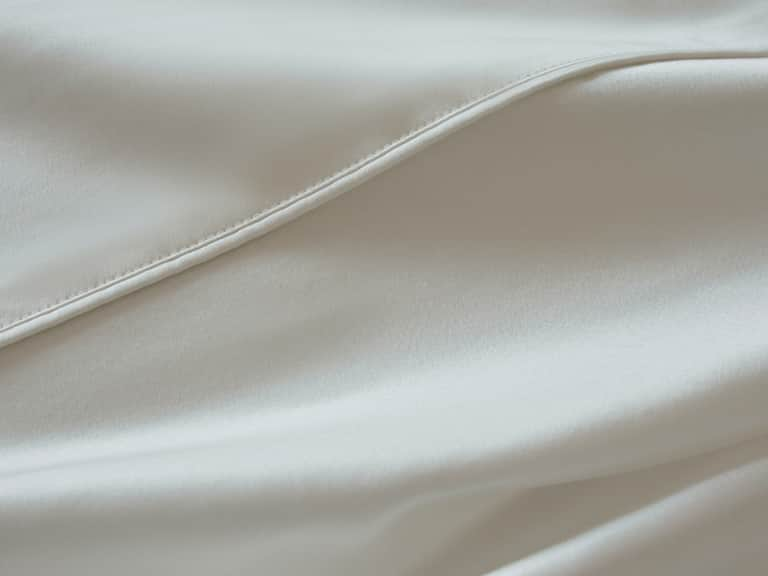
A useful example is the 22 momme charmeuse silk flat sheet, whose product information identifies pure mulberry silk, a charmeuse weave and classic piping edging. Its listed care guidance calls for a cold delicate cycle with silk-safe detergent and air drying. Those details provide a more complete picture than the weight figure alone.
Check the fiber composition
Before comparing weights, check what the sheet is made from. A listing may describe a product as pure silk, mulberry silk, long-strand silk or a blend. Those terms refer to different aspects of the material, so it helps to look for a clear fiber-content statement rather than relying on a broad product name.
If a sheet is described as 100% mulberry silk, that identifies its stated fiber composition. It does not by itself establish the full quality of the finished sheet, nor does a momme figure identify the fiber source. The most useful product information states composition and weight separately, then provides enough detail on weave and care to support an informed comparison.
Where wording is unclear or different sections of a product listing conflict, treat the specification cautiously and seek clarification from the seller. A precise label helps you compare like with like; an attractive name or general description is not a substitute for material details.
Fit matters: fitted-sheet pocket depth
A fitted sheet’s pocket depth is the measurement that helps determine whether its corners can cover the mattress securely. Momme says nothing about fit. Before choosing a fitted silk sheet, measure the mattress from its surface to the base, including any topper or mattress pad that will remain in place.
Compare that measurement with the listed pocket depth, allowing for the sheet to wrap beneath the mattress. A sheet that is too shallow may pull free or strain at the corners; one with excess fabric may fit loosely. Mattress shapes and elastic construction vary, so check the product’s own measurements rather than assuming all sheets in a weight category fit alike.
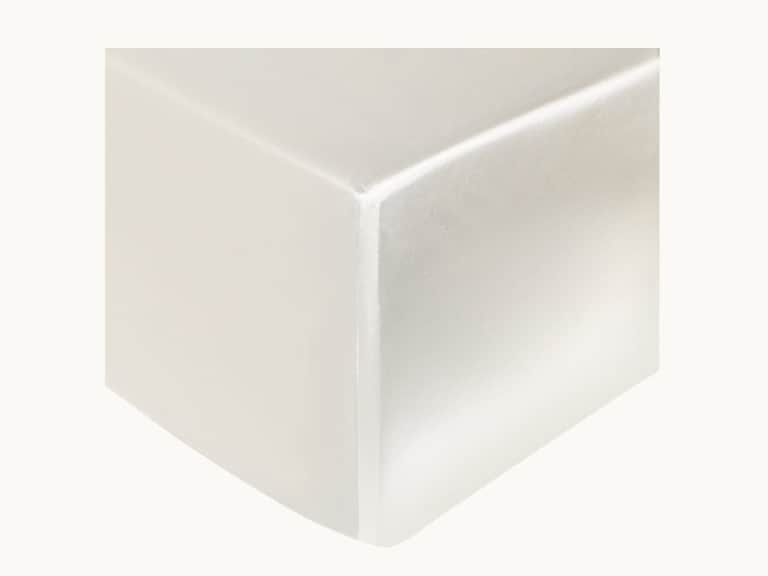
For example, an Ivory Silk Fitted Sheet is listed as 22 momme with a 15-inch pocket depth. Those two specifications answer different questions: the first describes fabric weight, while the second helps shoppers assess mattress compatibility. Neither one can substitute for the other.
Care instructions are part of the comparison
Silk is a natural protein fiber, and its care needs should be considered before purchase. A sheet’s washing instructions can affect the effort required to keep it in good condition. Some products specify a delicate machine cycle with a silk-safe detergent; others may have different requirements. Always follow the care label for the particular item rather than assuming that every silk sheet can be cleaned in the same way.
Where machine washing is permitted, gentle handling is important. Use the temperature, cycle and detergent recommended by the maker. Avoid treating one product’s instructions as a universal rule: labels can differ, and construction or finishing may influence the appropriate method.
Air drying is commonly specified for silk bedding. Avoid direct heat or rough handling unless the care instructions say otherwise. If ironing is permitted, use the temperature and method stated on the label. When a product is described as machine washable, that does not mean it should be washed like ordinary cotton sheets; the stated cycle and detergent still matter.
Care guidance can also be a practical measure of whether a sheet suits your household. If you prefer a low-maintenance routine, look closely at the washing and drying requirements before selecting a weight or color. A fabric that feels ideal but does not fit your care habits may be less satisfying over time.
Other details worth checking
Momme is a good comparison point, but the most useful buying decision comes from considering several specifications together. A concise checklist can keep the focus on details that affect real-world use:
- Fiber content: Look for a clear statement of the material, such as 100% mulberry silk, and note whether the product is a blend.
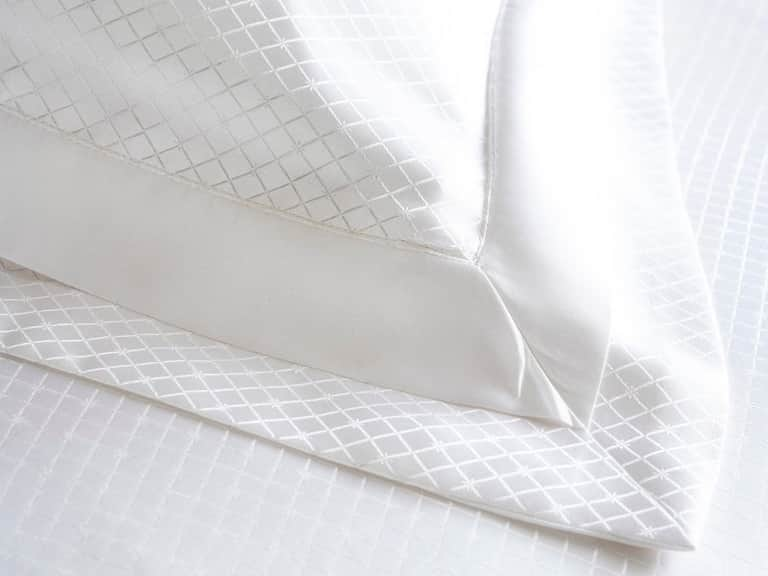
- Weave and finish: Check whether the listing names the weave and describes details such as piping, borders or other edge finishes.
- Weight: Use the momme figure as a guide to relative fabric weight, not as a stand-alone verdict on quality.
- Sheet type: Confirm whether you are choosing a flat sheet or a fitted sheet, as each serves a different role in the bedding arrangement.
- Dimensions and fit: For fitted sheets, compare pocket depth with your mattress and any topper.
- Care: Read the item-specific washing, drying and ironing instructions before purchase.
- Certification claims: If a certification is listed, check what the claim covers and whether it applies to the product you are considering.
- Color and coordination: Choose a shade that works with the rest of the bedding, while remembering that color is a style choice rather than a measure of fabric performance.
Comfort is personal—and layered
A sheet does not work alone. It sits within a sleep setup that may include a mattress protector, other sheets, a duvet or comforter, and the room’s own temperature and ventilation. A 19 momme sheet can feel different beneath a heavy duvet than it does as a light top layer. Similarly, a 22 momme sheet’s more substantial hand may be especially noticeable when it is the first layer against the body.
Silk is often selected for its smooth surface and breathable feel, but individual experiences vary. Temperature, humidity, sleepwear and personal sensitivity can all shape comfort. Claims about skin or hair should be approached with care: a smooth surface can reduce friction compared with rougher fabrics, but bedding alone cannot guarantee particular cosmetic or health outcomes.
Color and design also affect how bedding feels in a room, even though they do not change momme weight. Pale ivory, for example, can create a quiet, adaptable base, while deeper shades or patterned edges bring stronger visual definition. These choices are separate from the technical question of fabric weight, and can be considered after the material and fit are understood.
A practical way to choose between 19 and 22 momme
Begin with preference rather than prestige. If you favor a lighter feel and fluid drape, 19 momme may be a sensible option to explore. If you prefer a more substantial hand, 22 momme may be worth comparing. Then confirm that the product’s weave, composition and construction suit what you want from the sheet.
Next, check how the sheet will fit into your bed. For fitted styles, measure mattress depth and compare it with the stated pocket measurement. For flat sheets, consider how you plan to layer them and whether the dimensions provide enough coverage for your bed. Finally, review the care label and make sure its instructions are realistic for your routine.
If you can handle swatches or compare samples in person, pay attention to more than thickness. Notice how the material falls, how its surface feels and whether its sheen suits your preference. If shopping remotely, use detailed product specifications and ask questions when key information—especially fiber content, dimensions or care—is missing.
Common misunderstandings about momme
“Higher momme always means better.” A higher figure indicates greater fabric weight, but it does not automatically mean better comfort, construction or longevity. Quality is broader than one number.
“Momme tells me how soft the sheet will be.” Weight can influence the hand, but softness also depends on fiber, weave and finishing. Two sheets at the same weight may not feel identical.
“Momme is a kind of thread count.” It is not. Momme is a silk-fabric weight measure. Thread count refers to a different way of describing fabric construction and is not a direct substitute.
“A heavier sheet needs less careful handling.” Weight alone does not establish care needs. Follow the product’s label, and handle silk gently according to its specific instructions.
“The same momme guarantees the same performance.” It does not. Fiber composition, weave, finishing, sewing and use all contribute to the experience of a finished sheet.
The short answer
For silk sheets, momme is a practical way to compare fabric weight. Nineteen momme generally indicates a lighter fabric than 22 momme; 22 momme generally indicates more silk by area and may feel more substantial. Neither figure, on its own, tells you whether a sheet is soft, durable, well fitted or easy to care for.
For a more complete comparison, read the momme number alongside the fiber composition, weave, finish, dimensions and care instructions. On a fitted sheet, pay particular attention to pocket depth. When those details align with your comfort preferences and daily routine, the number becomes useful in context—not a verdict by itself.