Understanding Silk Care: A Practical Guide to Maintaining Luster and Longevity

A National Geographic-inspired exploration of how to treat silk textiles with the care they deserve. From daily routines to long-term storage, this guide illuminates best practices for keeping silk bedding, sheets, and pillow covers soft, lustrous, and durable for years to come. We weave in historical context and the voices of notable figures who shaped our understanding of textiles across eras.

Why Silk Care Matters: The Material at a Glance

Silk is a protein fiber that carries a quiet science in its sheen. Its natural temperature regulation, low absorbency, and delicate hand make it both a luxury and a responsibility. Caring for silk is not merely about washing; it is a dialogue with a fabric that has traveled from silkworms to sumptuous linens across centuries. Proper care preserves luster, prevents fiber fatigue, and extends the life of Silk Flat Sheets, Silk Duvet Covers, and Silk Pillowcases—like the Sage Silk Flat Sheet and the White Silk Flat Sheet from Gingerlily’s esteemed lineup.

The guidance below mirrors prudent textile stewardship, blending practical tips with a reverence for the craft that yields a fabric as timeless as it is tender.

Daily Care: Everyday Rituals for Silk Comfort

Silk surfaces demand gentle handling. Begin with a routine that respects the fiber’s delicate protein structure. Use a mild detergent designed for silk or a product labeled as silk-safe. Harsh laundries or bleach weaken fibers and dull the surface sheen.

  • Wash with cool to lukewarm water, ideally at temperatures below 30°C (86°F).
  • Choose a detergent specifically formulated for silk or delicates; avoid enzymes that can degrade silk proteins.
  • Opt for a delicate cycle or hand wash; reduce agitation to minimize fiber stress.
  • Rinse thoroughly to remove all detergent residues, which can leave deposits on the fabric.

Gingerlily’s Sage Silk Flat Sheet, rendered in a 19 momme mulberry silk, is a prime example of a product designed for careful washing. Its weight and finish support a balanced drape while remaining resilient if treated with care.

Washing Tips: Practical Steps for Silk Flat Sheets and Pillowcases

Top-load washing can be too vigorous for silk. If your machine lacks a gentle option, consider placing the items in a mesh bag to cushion movement during the wash cycle. Use a mild silk-detergent and avoid fabric softeners, which can coat fibers and reduce breathability.

  • Turn items inside out before washing to protect the outer surface from friction and discoloration.
  • Avoid soaking for extended periods; silk does not tolerate prolonged water exposure well.
  • Air dry flat or on a drying rack away from direct sunlight, which can fade dyes and degrade fibers over time.
  • If necessary, iron on the lowest heat setting with the fabric slightly damp, using a press cloth to prevent direct heat contact.

For satin- or charmeuse-weight finishes, such as those found in premium silk comforts like the 16 Momme Silk Shell used in some summer-weight comforters, handle heat with extra care. The goal is a smooth, wrinkle-free surface without scorching or weakening the weave.

Storage and Longevity: Keeping Silk Fresh Between Seasons

Silk thrives in a climate with controlled humidity and away from moths and pests. Store silk bedding in a cool, dry place, ideally in breathable cotton storage bags to promote air circulation. Avoid plastic bags for long-term storage, as they can trap moisture and invite mildew or discoloration.

  • Ensure textiles are completely dry before storage to prevent mold growth.
  • Layer with tissue paper to reduce crease formation and friction during long-term storage.
  • Keep away from strong-smelling items that can transfer odors to silk fibers.

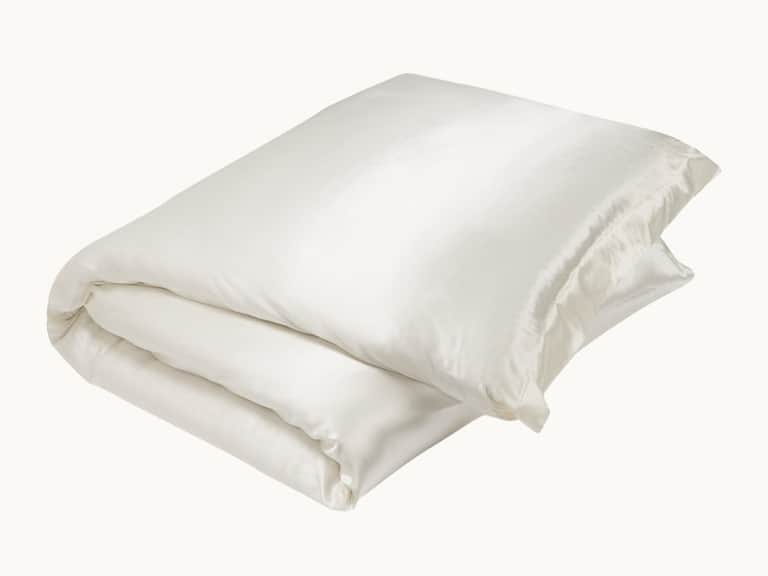
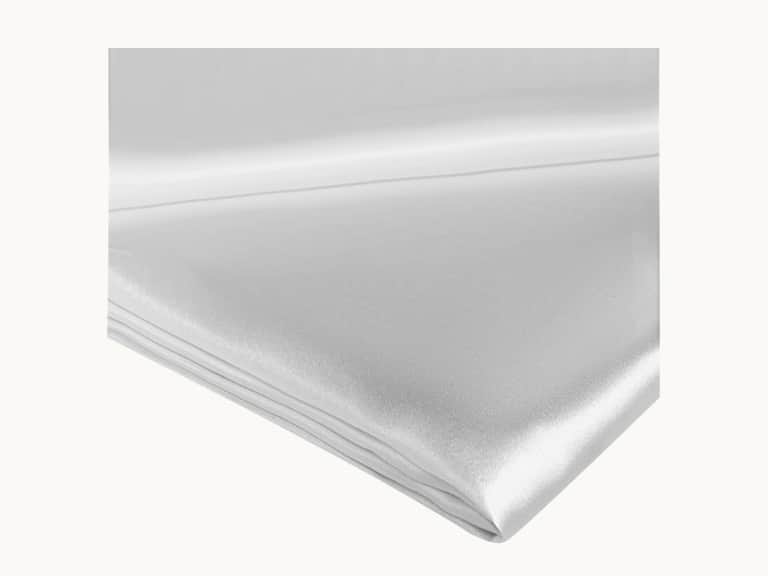
When you revisit items like the White Silk Flat Sheet or the Ivory Silk Duvet Cover, you may discover how thoughtful storage preserves the glow and suppleness that characterize true silk luxury.

Care Notes: Special Considerations for Silk Weaves

Different silk weaves respond distinctively to care. A plain weave or satin finish may require slightly different handling than a characteristically smooth charmeuse. Always consult care labels and, when in doubt, opt for hand washing or dry cleaning for high-value items like silk duvet covers with border details or edge piping.

  • Test a small area first if you are experimenting with a new detergent or washing method.
  • For colored silk pieces, wash colors separately to prevent dye transfer and maintain color fidelity.
  • Inspect closures and edging—buttons, borders, and piping—before washing to avoid snagging or loosening over cycles.

Consider a curated assortment such as the Sage Silk Flat Sheet, whose sage hue and 19 momme weight have a natural resilience that tolerates standard delicate-care routines while preserving a refined look over years of use.

Historical Voices: Three Figures Across Time Who Illuminated Textiles

From the Silk Road caravans to modern laboratories, three voices from different epochs offer perspectives that illuminate how we understand, value, and care for silk. Their insights, though separated by centuries, converge on a shared respect for material dignity and the craft of textile making.

Empress Wu Zetian (c. 625–705)

As a historic patron of the Silk Road’s exchange networks, Wu Zetian’s era illustrates how silk functioned as a symbol of sovereignty and cultural connection. Silk’s provenance—in her time as in ours—remains inseparable from the stories of exchange and care that sustain it. The reverence for silk’s tactile luxury echoes in today’s meticulous care rituals that maintain fiber integrity and luster.
Maria Sibylla Merian (1647–1717)

Though known for art and natural history, Merian’s meticulous study of caterpillars and metamorphosis parallels the precision required in textile science. Her insistence on observation before action mirrors the careful testing and methodical washing that silk demands—an early reminder that understanding materials precedes effective care.

Margaret Mitchell (1900–1949)

Mitchell’s narrative craft—creating enduring, immersive textiles of memory in literature—parallels the way modern bedding brands cultivate enduring experiences with silk. Her work reminds us that fabrics are not merely materials; they are carriers of atmosphere, memory, and daily rituals.

Product Spotlight: Sage Silk Flat Sheet as a Case Study

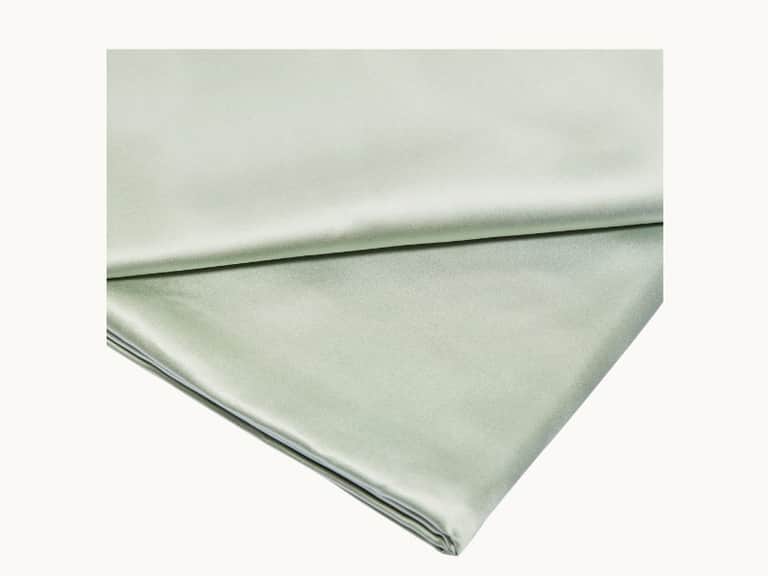
The Sage Silk Flat Sheet embodies the philosophy of care we have outlined. Crafted from 100% mulberry silk at 19 momme, it balances a refined color with functional durability. Its sage hue offers a tranquil canvas for experimentation with color palettes while maintaining the fabric’s natural luster. Proper care—delicate washing, air drying, and low-temperature ironing—preserves its softness, hair-smoothing properties, and temperature-regulating performance.

Sage Silk Flat Sheet (4655)

Sage Silk Flat Sheet in 100% mulberry silk, 19 momme. Naturally hypoallergenic and temperature-adjusting for year-round comfort. Wash gently in cold water with mild silk detergent, air dry, and iron on a cool setting if needed.

Price: 665.00

Product imagery displaying Sage Silk Flat Sheet in sage tones (images provided in gallery). The gallery includes Sage Green views that highlight texture and drape.

Note: Images are for representation; product photography may reflect color variance across production runs.

Final Thoughts: A Thoughtful Approach to Silk Care

Silk is a fabric that rewards patient care with enduring beauty. The care principles outlined here—gentle washing, controlled drying, mindful storage, and careful handling of closures and borders—help protect the fiber’s protein-rich surface and its subtle sheen. In a world of fast fashion and disposable textures, silk reminds us that luxury can also be responsible, lasting, and scientifically informed.

As with the works of explorers and narrators who crossed the globe at different times, silk care invites curiosity, measurement, and respect for a material that has shaped civilizations. The voices of Empress Wu Zetian, Maria Sibylla Merian, and Margaret Mitchell—though separated by centuries—echo in today’s practice: observe, test, and tend with care, so that silk continues to tell stories of comfort, refinement, and enduring craft.


This article is inspired by the Silk Care principles as applied to Gingerlily products, including the Sage Silk Flat Sheet (4655) and White Silk Flat Sheet (4644). For detailed product specifications, consult the respective product pages.

Related Products

Sage Silk Flat Sheet

Gingerlily

Sage Silk Flat Sheet

Drift into cozy luxury with our 100% mulberry silk Sage flat sheet—soft, cool in summer, warm in winter, naturally hypoallergenic, and kind to skin and hair. Sleek, subtle sheen, easy care, and lasting suppleness for blissful nights.
White Silk Flat Sheet

Gingerlily

White Silk Flat Sheet

Experience soft, smooth skin and hair with 100% mulberry silk—19 momme for luxe drape, easy delicate-care washing, and versatile styling that pairs with any bed set for a restful, stylish night.
Ivory Silk Duvet Cover

Gingerlily

Ivory Silk Duvet Cover

Slip into breathable, hypoallergenic silk that glides over skin and hair, minimizing friction for undisturbed sleep, while the 3-inch border and secure buttons keep it neat and durable night after night.

Theme