Bedding guide
How to Read a Comforter’s Fill, Shell, and Warmth
A comforter is more than a soft layer over a bed. Its filling traps warmth, its shell contains that filling and shapes the feel against the body, and the way the two are constructed affects breathability, weight, upkeep, and how well the piece works with the rest of your bedding.
Learning to read those details makes it easier to choose a comforter for your climate, sleep habits, and preferred layering style. A summer-weight silk design offers a useful example: it pairs a lightweight shell with silk filling for warmth intended to feel airy rather than heavy. But the label is only the beginning. Understanding materials, construction, and care helps turn a product description into a practical guide.
Start with the two-part construction
Most comforters have two essential elements: an insulating fill and an outer shell. The fill is the material inside the comforter. It creates loft, holds pockets of air, and determines much of the warmth and weight. The shell is the fabric surrounding that filling. It keeps the fill enclosed, contributes to the hand and drape, and may influence how air and moisture move through the finished piece.
These components work as a system. A lofty fill inside a tightly woven shell may feel different from the same fill inside a lighter, more fluid fabric. A shell can also make a comforter feel smooth, crisp, or softly matte. When reading a description, therefore, look for separate information about the shell and the fill rather than relying on a broad phrase such as “silk comforter.” That phrase alone does not reveal whether silk is used in the outer fabric, the filling, or both.
Construction details matter alongside fiber content. Stitching, quilting, piping, and corner loops can help keep the filling in place or secure the comforter inside a cover. The overall result depends on how those choices meet your needs: warmth without excess bulk, a stable fill, a shell that feels pleasant, and care instructions you can follow.
What the fill tells you
Filling is the comforter’s insulating center. Its fiber, amount, and arrangement influence how much air the comforter holds and how that warmth feels across the bed. A useful description should identify the fill material and, when available, provide details about its grade or construction. Those facts are more informative than a general claim about luxury or comfort.
Silk filling is valued for its light, soft character and its ability to create an insulating layer without the bulky feel associated with some heavier bedding. In a silk-filled comforter, the filaments form the interior layer that contributes to warmth and drape. The result still depends on how much fill is used and how it is distributed, so fiber type alone does not determine whether a comforter will suit a cold room or a warm sleeper.
Some designs use a blend rather than a single fiber. A combination can be intended to balance softness, loft, shape retention, or cost. If a description refers to a silk blend, check what the remaining component is and how the materials are arranged. “Silk-filled” and “silk blend” are not interchangeable descriptions; they communicate different compositions.
Fill can also be described by grade, strand, or quality terminology. Such labels may help distinguish a product’s materials, but they do not replace practical information about the comforter’s finished weight, construction, or care. If the description gives a fill grade but not the comforter’s overall warmth or dimensions, treat the grade as one useful detail—not a complete prediction of how it will sleep.
Most importantly, consider your own experience. Someone who sleeps warm in a heated room may want a thinner, more breathable layer than someone who feels cold in a drafty bedroom. The same comforter can feel different in different homes because room temperature, humidity, sleepwear, mattress layers, and personal preference all contribute to the sleeping environment.
The shell: the fabric around the filling
The shell is the comforter’s outer fabric, sometimes called its casing. It holds the fill inside and provides the surface that meets a duvet cover—or, if the comforter is used uncovered, the sleeper. A shell made from silk can create a smooth, fluid feel and add to the comforter’s light drape. The fabric’s weave and weight help determine how it feels and how it behaves in everyday use.
Descriptions may specify a silk shell by its weight in momme, a unit used to describe the weight of silk fabric. A higher momme number generally indicates a heavier silk fabric, but it does not by itself tell you the comforter’s warmth. Warmth depends on the full construction, particularly the fill and its quantity, as well as the room and bedding layers surrounding it. Read shell weight as a fabric specification, not as a direct rating of insulation.
Shell details can also include a weave or finish. Charmeuse, for example, is a satin weave that gives silk a smooth face and a soft sheen. Terms like these describe surface and construction qualities; they are not substitutes for information about the filling. If your priority is a particular feel, look for the shell material and weave. If your priority is warmth, investigate the fill and the product’s intended season.
For a bedding system, the shell’s role is partly practical. It must contain the filling, withstand the intended use, and work with a cover if one is planned. Some comforters include corner loops that attach to ties inside a duvet cover. These loops do not create warmth, but they can help prevent the comforter from sliding or bunching inside the cover during the night.
What “summer-weight” means—and what it does not
Summer-weight is a useful indication that a comforter is designed for lighter warmth, but it is not a universal technical scale. One maker’s summer option may differ from another’s, and individual comfort varies. Think of the label as a guide to intended use, then check the stated materials and construction.
A summer-weight silk comforter can suit warmer nights or bedrooms where a thick duvet feels excessive. Silk filling and a silk shell may combine a soft surface with a relatively light profile. The intent is to provide a layer of coverage without the sensation of heavy insulation. That does not mean it will feel cool in every room, or that it is appropriate for every sleeper. A climate-controlled bedroom and a naturally warm sleeper will have different needs from a chilly room with limited heating.
One example in Gingerlily’s comforter range is the Summer Weight Silk Filled Comforter with Silk Shell. Its listed construction pairs a 16 momme charmeuse silk shell with AAA double-strand mulberry silk filling. Corner loops and piped edging are also specified, and the duvet cover is sold separately. Those details help clarify what “silk comforter” means in this case: both the filling and shell use silk, with finishing features that support placement and a neat edge.
The word “summer” describes the design’s intended warmth category, not a promise that one comforter will be comfortable in every season. In a mild climate, a light comforter may work for much of the year. In a colder season, it might be layered with a blanket or replaced with a warmer option. Your bedroom temperature and preference should guide how you use it.
Warmth is a relationship, not a single number
It can be tempting to look for one specification that settles the question of warmth. In reality, comforter warmth emerges from several factors: the nature and quantity of the fill, how the fill is arranged, the shell fabric, the comforter’s size and coverage, and the air conditions around the bed. Product descriptions do not always provide a standardized warmth rating, so compare the available details carefully.
Consider your usual sleeping conditions. Do you wake feeling too warm, or do you tend to seek an extra blanket? Is your bedroom heated evenly through the night? Do you sleep alone or share a bed with someone whose temperature preferences differ? These practical questions can be more useful than choosing solely by season name.
Layering adds flexibility. A light comforter can be paired with a flat sheet or a separate blanket when conditions are cool, then used more simply on warmer nights. Layering gives you options without requiring one thick layer to do every job. It also makes it easier to adapt when weather changes between seasons or when the temperature inside a home shifts.
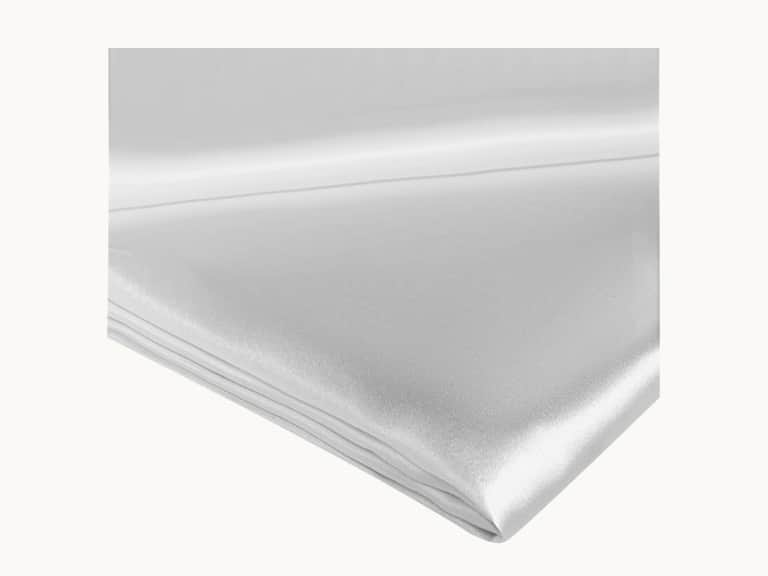
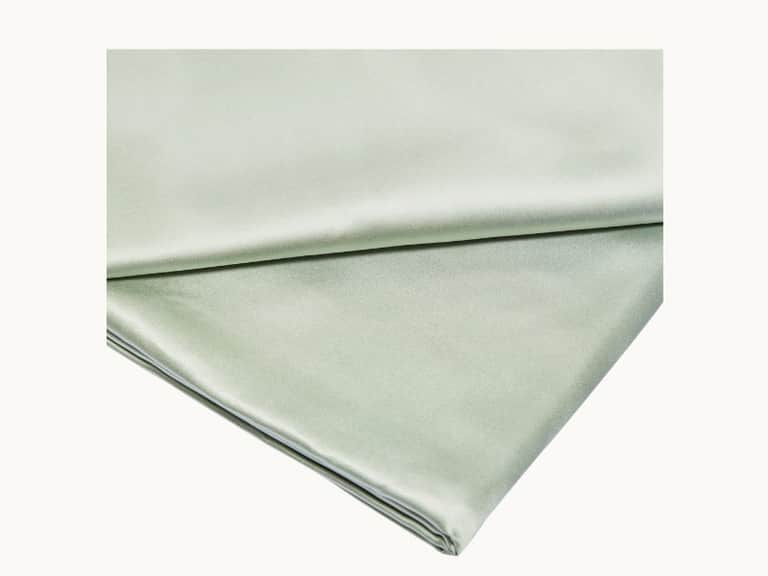
Sheets and covers contribute to the feel of the whole bed. A silk flat sheet, for example, is a separate layer from the comforter and does not change the comforter’s fill or insulation. A smooth silk sheet can sit between the sleeper and the comforter, while a duvet cover surrounds the comforter. Keeping those roles distinct makes it easier to build a bedding combination that suits your preferences.
Comforter or duvet cover? Know the difference
A comforter is the filled bedding layer: the shell encloses insulating material. A duvet cover is a removable fabric cover that fits around a comforter or duvet. The cover protects the filled piece and can be taken off for laundering according to its care label. It may also make it easier to change the color or texture of a bed without replacing the comforter itself.
Some comforters are designed to be used with a cover, while others may have a finished outer shell intended to be used on its own or beneath a cover. Check the product description rather than assuming. The summer-weight example above notes that its duvet cover is sold separately. That matters when planning a bedding setup: the comforter is the filled layer, and a cover is an additional component.
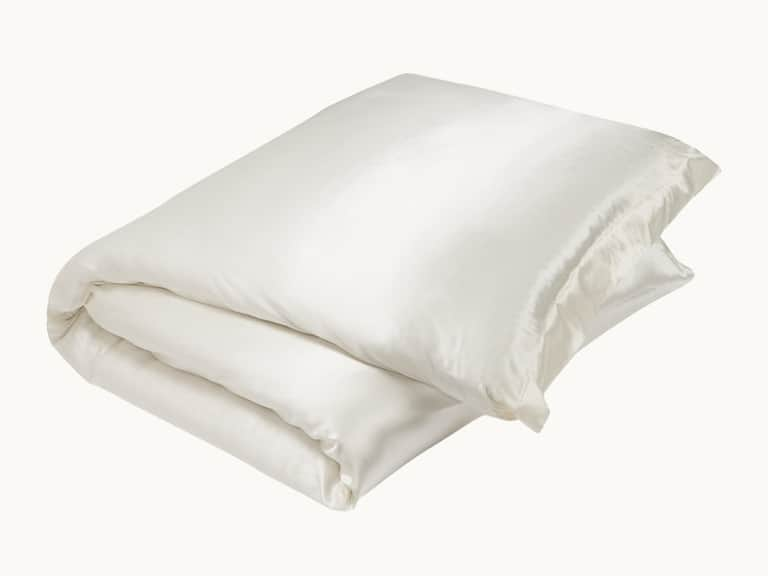
When choosing a cover, consider its dimensions and closure, as well as any internal ties that might connect to corner loops on the comforter. The Ivory Silk Duvet Cover, for instance, is a separate 100% mulberry silk cover with a 19 momme weave, a three-inch border, and a button closure. It illustrates how a duvet cover has its own fabric, finishing, and care details, independent of the filling inside it.
A well-matched cover should fit the comforter without leaving excessive empty space that allows it to shift. If a cover is too small, it can compress the comforter; if it is too large, the fill may move around. Check the dimensions of both pieces, and follow the maker’s advice about fit and attachment.
Read care instructions before deciding
Comforter care depends on the construction of the complete item. Shell and fill may have different needs, and a filled piece is not necessarily cleaned in the same way as a removable cover. Before purchasing, look for the care label or product instructions and make sure they are practical for your household.
Some silk bedding can be washed gently, while particular filled products may call for spot cleaning or professional laundering. Do not assume that instructions for a silk sheet apply to a silk-filled comforter. The sheet is a single fabric layer; a comforter contains fill, stitching, and a shell, each of which can affect how it should be handled. Follow the care directions for the exact item rather than relying on a general rule about silk.
Where machine washing is explicitly permitted, temperature, detergent, cycle, and drying method matter. A delicate cycle and a mild detergent may be specified for certain silk fabrics, but care instructions vary. Avoid substituting harsher products or higher heat because they seem more convenient. Heat and vigorous agitation can put unnecessary stress on delicate fibers and construction.
Using a duvet cover can help shield a comforter from everyday contact, though it does not remove the need to follow the comforter’s maintenance instructions. Airing a bed and allowing bedding to dry fully between uses can also support freshness. Always check product-specific guidance before applying any cleaning method.
A practical checklist for comparing comforters
When comparing Gingerlily comforters or any other bedding, use a short checklist to separate meaningful specifications from broad descriptive language. The aim is not to chase the longest list of features, but to find the details that answer your questions.
- Fill: Identify the fiber or blend inside the comforter, and note any stated grade or construction details.
- Shell: Confirm the outer fabric and look for a stated weave or weight if those qualities matter to you.
- Intended warmth: Treat labels such as summer-weight as helpful guidance, then relate them to your room and sleep preferences.
- Construction: Check for quilting, piping, corner loops, or other details that affect how the comforter stays in place and finishes at the edges.
- Cover requirements: Find out whether a duvet cover is included or sold separately, and whether the comforter has loops or ties for attachment.
- Care: Read the exact instructions for the filled comforter—not just those for a matching sheet or cover.
- Fit: Compare the dimensions of the comforter, duvet cover, and bed so the layers work together without unwanted bunching.
If a specification is missing, do not infer it from a product name. A silk shell does not automatically mean silk fill, and a light fabric does not automatically indicate a specific warmth rating. Clear distinctions help you choose with confidence and avoid mismatched expectations.
Build a bedding setup around how you sleep
A comforter is one part of a larger sleep environment. The mattress, sheets, pillows, room temperature, and personal preference all shape the experience. A light comforter can be an adaptable center layer, but it works best when its warmth is considered alongside the rest of the bed.
For a warmer sleeper, a summer-weight design may provide enough coverage without a heavy feel. A breathable sheet beneath it can add a soft contact layer, while a removable duvet cover offers a practical outer surface. For someone who sleeps cold, the same comforter may be more useful with an additional blanket or during milder weather. Neither arrangement is universally right; comfort is individual.
Think of bedding as a small climate system. Each layer affects how much warmth is retained and how the bed feels against the body. Rather than expecting one material to solve every concern, use the fill, shell, cover, and sheets as separate choices that work together. When a comforter description clearly identifies these parts, you can make a more informed decision about how it will fit into your routine.
The key takeaway
To read a comforter description well, separate the filling from the shell, then consider how both relate to warmth, breathability, weight, construction, and care. A summer-weight label signals a lighter intended use, but it is not a standardized guarantee. The room, the sleeper, and the layers around the comforter all matter.
Silk makes a useful case study because it may appear in the shell, the fill, or both—and each role contributes something different. Look for precise material descriptions, check whether a duvet cover is separate, and pay attention to finishing details such as corner loops. Finally, follow the care instructions for the complete filled item. With those basics in mind, choosing a comforter becomes less about decoding luxury language and more about understanding how the bedding is built and how it will work in your home.