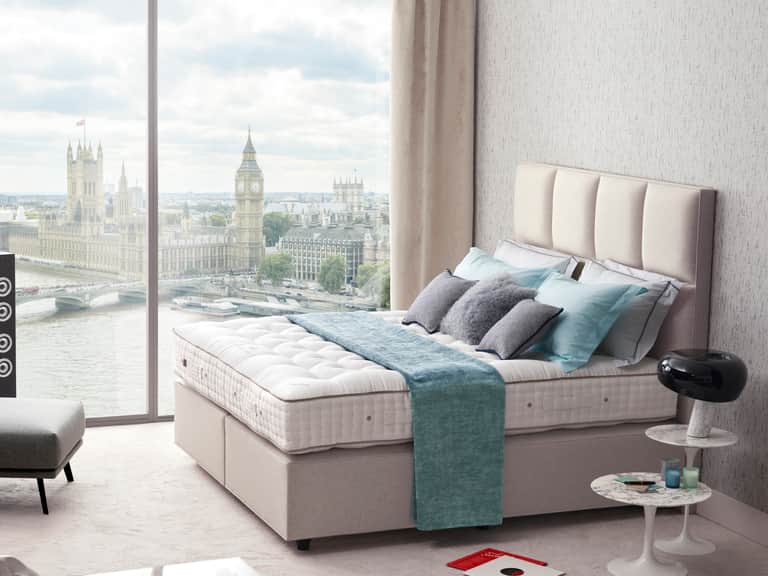
Vispring Sublime Superb Mattress
Experience cloud-like support with natural fills and hand-tufted comfort, plus tailored firmness options and split-king convenience for perfect, personalized sleep.
Price: $14,100.00
View ProductExplore how silk and sheer fabrics translate into chic, wearable style and serene home environments. This piece highlights practical tips for incorporating luxury textures into daily life with accessible fashion and décor ideas.
Silk and sheer fabrics occupy a distinctive niche in contemporary lifestyle discourse: they are not about overt opulence but about elevating the everyday through texture, lightness, and refined simplicity. In fashion, silk drapes with a natural sheen that catches evening light, while sheer fabrics offer a veil of translucence that hints at layers beneath, creating depth without visual clutter. In home interiors, silk and sheer elements—curtains that filter daylight, throws that catch the eye with their luminosity, or cushions that glow against a neutral palate—serve as anchors for a space’s mood rather than its centerpiece.
This article threads ideas across fashion, home décor, and do-it-yourself upcycling, aiming to show how modest investments in texture can yield lasting impact. It also looks at the bodies behind these textures across time, featuring key figures from different eras who have shaped our understanding of softness, transparency, and refined elegance.
From different centuries to the present day, certain individuals have framed how silk and sheer materials interact with body and space. Their approaches illuminate both the technical and the emotional appeal of these textures.
The goal is to achieve polish without stiffness. Here are practical techniques to integrate silk and sheer into daily looks that are both comfortable and chic.
In practice, a silk blouse tucked into high-waist trousers with a sheer shell reveals a refined balance of coverage and translucence, while a flowing silk skirt paired with a minimalist knit can feel effortlessly elevated for day-to-evening transitions.
Texture and light carry through the home in quiet, transformative ways. Silk and sheer fabrics can soften architectural lines, lend warmth to a space, and subtly elevate everyday rituals such as morning coffee or an evening wind-down.
When integrating silk and sheer into interiors, restraint is key. The aim is not to overwhelm a space but to let texture and light guide the atmosphere. A carefully chosen silk cushion or a sheer panel behind a seating area can make a room feel spacious, breathable, and thoughtfully curated.
A central idea of the Silk and Sheer ethos is that transformation can be accessible and sustainable. Small projects can yield enduring wardrobe and décor enhancements.
Beyond aesthetics, the DIY approach reinforces a philosophy of mindful consumption: pieces are valued longer, with the intention that each item carries both function and a story of craft.
In discussing texture and the subtle luxury of daily life, one cannot ignore the role of tactile surfaces in the bedroom. A premier example is the Vispring Sublime Superb Mattress, a product that embodies the intersection of silk-rich materials and meticulous craftsmanship. While not a fashion item, it shares Silk and Sheer’s ethos: exquisite materials, refined engineering, and a design language that values rest as a daily luxury.
Overview: The Sublime Superb mattress integrates natural fillings such as silk, mohair, Shetland wool, organic cotton, and South American horsetail. Its cover is a soft, breathable viscose-cotton blend, and the construction features hand-tufted upholstery and a robust two-layer calico pocket spring system. This design promises deep support, temperature regulation, and a quiet, responsive surface.
Why it resonates with Silk and Sheer aesthetics: The emphasis on natural fibers and refined texture mirrors the editorial stance of elevating daily life through sensory refinement. Silk sits at the heart of the material story, alongside wool and cotton, delivering comfort that’s evident to touch and feel.
Product details: The model features 3496 springs in a King size, two-layer hand-nested calico pocket spring construction, and a quilted upholstery built from natural fillings including British fleece wool, Shetland wool, silk, and horsehair. Firmness options (soft, medium, firm, extra-firm) and king-size variations are available to tailor comfort. The mattress depth and divan construction align with a premium sleep experience that supports spinal alignment and restful nights.
This reference point in the Silk and Sheer narrative reminds readers that luxury textures extend beyond clothing and decor into the realm of rest. A mattress that embodies transparent quality and lush softness underscores a holistic approach to daily life where luxury is integrated into routines—sleep, skincare, morning rituals—creating a cohesive lifestyle story.
Silk and sheer fabrics invite us to slow down, notice light, and choose textures that invite touch. The overarching philosophy is that everyday living can be elevated without sacrificing practicality. By balancing delicate materials with thoughtful design, we craft environments and wardrobes that feel personal, intimate, and enduring.
In fashion, home, and even sleep surfaces, the silk-and-sheer aesthetic offers a path to refined living rooted in quality, care, and mindful curation. The approach is not to chase every new trend but to select textures that harmonize with one’s routines and spaces. In doing so, the wearer and the home alike become more expressive, more comfortable, and more resonant with the quiet luxury that defines modern elegance.
Silkandsheer.com stands at a promising crossroads of fashion, wellness, and interior aesthetics. The proposed identity emphasizes a lifestyle blog format with a refined tone, accessible yet aspirational, designed to attract readers aged 25–45 who value elegance and simplicity. The content strategy includes fashion trends and styling tips, wellness routines, DIY upcycling projects, expert interviews, and mood-board visuals to inspire readers. A premium product feature, such as the Vispring Sublime Superb Mattress, can anchor the content in tangible luxury, bridging the textual and the experiential by highlighting how texture, materials, and craftsmanship influence daily rituals.
Price: $14,100.00
View Product