Smart Styling: Elevating Everyday Luxury with Silk and Sheer Elements
Explore how to weave silk and sheer fabrics into daily wear and living spaces for a refined, approachable elegance. This piece blends practical styling, care insights, and mindful design touches that celebrate simplicity and beauty in everyday life.
In a world of fast fashion and rapid change, silk and sheer textiles offer a countercurrent: softness that speaks of luxury, lightness that invites ease, and a timeless sheen that elevates rather than overwhelms. The pairing of silk with sheer fabrics conjures a mood rather than a moment—an approach to dressing and decorating that highlights texture, transparency, and subtle glow. The dialogue between these materials is not about opulence alone; it is a disciplined craft of layering, color restraint, and mindful care that yields a look that feels both deliberate and effortless.
This article draws on stylistic practice across eras and cultures, casting three contemporary perspectives against a tapestry of historical reference. From courtly wardrobes dripping with satin and mantles to modern wardrobes built on breathable performance fabrics, silk and sheer have long stood for refinement—the sort that translates across time and space.
Timeless Figures: Three Voices Across Time
The narrative of silk and sheer in style is best understood through the voices of designers and aesthetes who imagined elegance within constraints—an approach that resonates with today’s demand for comfort, sustainability, and versatility.
Catherine de' Medici (1519–1589)
A pioneer of curated ensembles in the Renaissance court, Catherine’s taste for luxurious fabrics and layered silhouettes helped establish silk as a symbol of quiet authority. Her wardrobe choices emphasized texture and drape, where sheer overlays could soften structured garments, creating a calculated elegance that readers today recognize in modern layering techniques.
Paul Poiret (1879–1944)
A modernist voice who liberated women from corsetry, Poiret popularized drape, sheer fabrics, and fluid silhouettes. His experiments with ephemera and transparency resonate with contemporary wardrobes that favor movement, breathability, and a refined ease—silk and sheer as a language of freedom rather than constraint.
Iris van Herpen (b. 1984)
A current-day innovator who fuses couture with technology, van Herpen explores delicate translucence and sculptural forms. Her work exemplifies how sheer textiles can be engineered for structure and spectacle, offering inspiration for subtle, wearable translations in everyday life.
Practical Styling Ideas: From Capsule to Couture-Ready
The core challenge of integrating silk and sheer into daily life is achieving a balance: luxury feels best when it remains approachable. The following ideas provide a toolkit for building versatile looks that retain a sense of quiet sophistication, whether you’re commuting, working from home, or stepping out for an evening out.
- Layering with intention: Start with a solid base—slip, tee, or lightweight knit—in a neutral tone. Add a silk or satin top or blouse in a complementary shade, then top with a sheer overlay such as a organza or chiffon blouse. The layering creates depth without bulk, and the interplay of opacity adds visual interest.
- Color storytelling: Silk takes color beautifully; pair muted earth tones with a single accent color in a sheer piece to keep the look grounded. For instance, a charcoal base with a pale taupe silk blouse and a sheer champagne cardigan offers a refined, everyday elegance.
- Texture as punctuation: Contrast the smooth sheen of silk with the tactile softness of wool, cashmere, or boucle. The contrast enhances the sensory appeal of an outfit, turning simple pieces into a refined ensemble.
- Evening ease: A silk slip layered under a tailored blazer with a sheer organza scarf can bridge day and night, preserving formality while inviting ease of movement.
- Accessory discipline: Keep accessories minimal and intentional. A single pearl pendant, a slim metallic belt, or a fine leather satchel can anchor the look without competing with the fabric’s glow.
Care, Durability, and Everyday Practicality
Silk and sheer fabrics present rewards and responsibilities. Handling delicate materials with care ensures longevity and preserves their effulgence. Practical care translates into better cost-per-wear and a more sustainable wardrobe overall.
- Read garment labels and follow recommended wash methods, especially for silk-based items. Hand washing or gentle cycle with cold water often yields the best results.
- Use a mild detergent designed for delicate fabrics to protect fibers and sheen.
- Avoid high heat when drying; prefer air-drying away from direct sunlight to prevent yellowing or fiber damage.
- Store silk pieces in breathable garment bags to minimize snagging and preserve luster.
- Rotate sheer layers with lined pieces to reduce wear on delicate fabrics and extend life.
Living with Silk and Sheer: Subtle Decor that Brightens a Room
The interior realm offers a natural extension of the same principles that guide wardrobe choices. Silk throws, sheer drapes, and translucent cushions can illuminate a space with a gentle glow, while maintaining an uncluttered, calm ambience.
In living spaces, as in wardrobes, restraint is the master key. A single silk accent in a neutral room captures light and elevates texture without dominating the environment. Sheer drapes diffuse daylight, creating soft shadows and a sense of airiness that enhances calm and focus—a design dialect aligned with mindful living.
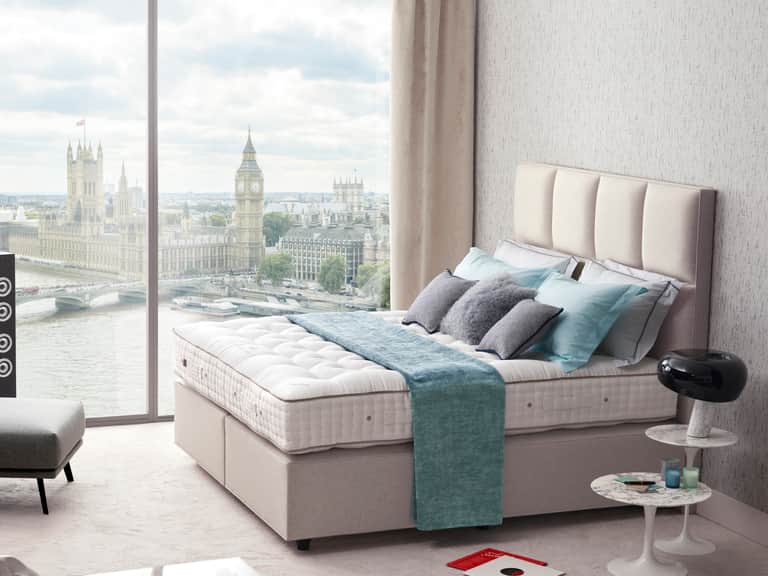
A Featured Item: The Vispring Sublime Superb Mattress
The Vispring Sublime Superb Mattress embodies a synthesis of luxury materials and meticulous craftsmanship. While our focus here lies in styling and living—not product reviews—the mattress serves as a parable for Silk and Sheer’s guiding principle: balance comfort with refinement.
The Sublime Superb is constructed with a blend of natural fillings, premium ticking, and a pocket-sprung core that delivers responsive support. Silk and Mohair play a refined supporting role within the upholstery, aligning with a philosophy of luxury achieved through thoughtful material choices and expert labor. The result is a sleeping surface that supports the body with precision, just as well-chosen textiles support an outfit or a room’s atmosphere.
For readers who appreciate the interweaving of comfort, aesthetics, and longevity, this example underscores a broader lesson: luxury is less about indulgence and more about cultivated consistency across elements—fabric, fit, and function.
Note: Image is intentionally withheld in this article format. The product details above reflect the described features and materials that inform luxury textile sensibilities.
Product details at a glance: Silk, mohair, Shetland wool, organic cotton, and South American horsetail; hand-tufted finish; pocketed springs; multiple firmness options; luxury ticking.
Conclusion: Elevating Everyday Luxury
Silk and sheer fabrics offer a pathway to daily luxury that is practical, sustainable, and emotionally resonant. By embracing layering techniques, careful color narratives, and texture-driven design, you can cultivate a lifestyle that feels refined without feeling ostentatious. The oscillation between lightness and richness—sheer overlays catching sunbeams, silk garments catching the eye—creates a cadence for everyday life that is as comforting as it is aspirational.
As this guide has suggested, the goal is not to chase a never-ending runway but to invite elegance into ordinary moments: a silk blouse tucked into a softly tailored skirt for a commute, a sheer scarf catching the evening breeze at a casual dinner, or a silk accent pillow that reframes a quiet living room. In short, silk and sheer are not just fabrics; they are instruments of mood—transparent enough to feel intimate, rich enough to feel lasting.
Key Takeaways
- Silk and sheer enhance everyday outfits and spaces when used with restraint and thoughtful layering.
- Historical figures and modern designers alike demonstrate that luxury lies in texture, proportion, and calm presence.
- Care and maintenance are essential to preserve sheen, drape, and longevity of delicate fabrics.
- Practical styling can be both versatile for daily life and polished for special occasions.